
Sensex Crash: Market Bleeds 1,124 Points, Nifty Tumbles
Sensex crash wipes out 1,124 points; Nifty ends at 22,780. Iran-US tensions, costlier crude oil and FII selling hit Dalal Street on Monday. Here is why it fell.
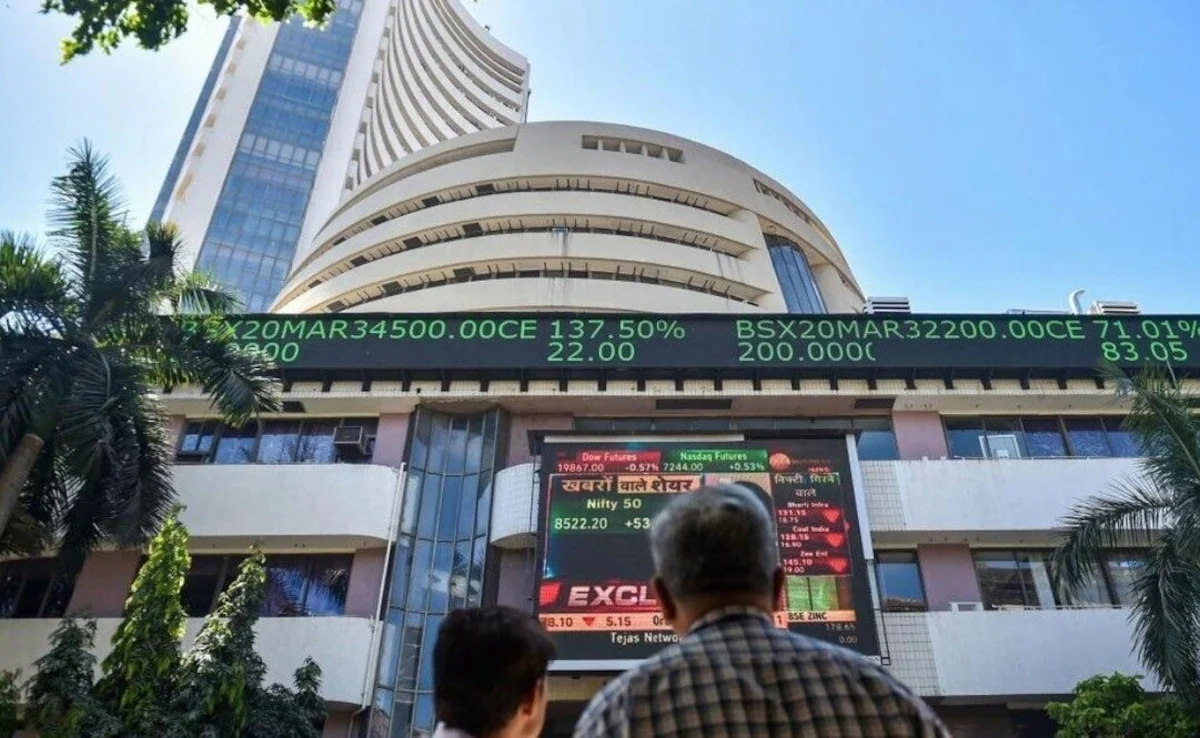
Monday turned into a difficult day for investors on Dalal Street. Heavy selling pulled the Indian stock market sharply lower, and the Sensex crash erased more than 1,100 points in a single session. The Nifty also slipped below the 23,000 mark and closed at a weak level. Rising tensions between Iran and the United States, costlier crude oil and cautious global cues combined to spoil the mood.
Sensex Crash Today: What Happened on Monday?
The BSE Sensex fell 1,124.02 points, or 1.52 per cent, and closed at 72,771.72. The NSE Nifty dropped 360.25 points, or 1.56 per cent, to end at 22,780.25.
The fall was not limited to a few stocks. Selling pressure was visible across the market, and the overall breadth remained negative. For investors tracking the Sensex and Nifty today, the message was clear: risk appetite weakened sharply.
Why Did the Sensex Crash? Six Key Reasons
Market watchers point to six factors behind the sharp fall in the Sensex and Nifty.
Iran-US conflict: Escalating tensions between the two countries were the main trigger.
Crude oil surge: The conflict pushed crude oil prices sharply higher. This matters for India, which imports most of its oil.
Rising bond yields: Bond yields moved up, raising concerns about borrowing costs.
Weak rupee: A fall in the rupee added to investor worry.
FII outflows: Foreign institutional investors (FIIs) pulled money out of Indian equities.
Weak global cues: Soft signals from overseas markets added to the negative sentiment.
Taken together, these factors created a “risk-off” mood. Investors moved away from equities, which explains the scale of the Sensex crash.
Which Sectors Were Hit Hardest?
Most sectoral indices ended in the red. Financial, metal and realty stocks came under the heaviest pressure. Private banks and energy-linked shares also saw a sharp fall.
Weakness continued in auto, public sector bank and chemical stocks. The information technology sector was the exception, showing relative resilience. Media and pharma stocks stayed comparatively steady, though they too closed lower. In short, defensive and technology-linked sectors held up better than the rest of the market during the Sensex crash.
How Did Global Markets Perform?
The mood was cautious worldwide. These were the moves:
S&P 500 futures: down 0.4 per cent
Nasdaq 100 futures: down 0.9 per cent
Dow Jones Industrial Average futures: down 0.3 per cent
MSCI Asia Pacific index: down 0.7 per cent
MSCI Emerging Markets index: down 1 per cent
Europe was the lone bright spot. The Stoxx Europe 600 was up 0.5 per cent as of 9:18 am London time. The fall in the MSCI Emerging Markets index shows that developing economies like India were under broader pressure.
What Does the Sensex Crash Mean for Investors?
A one-day fall of this size can unsettle small and retail investors, especially those with exposure to banks, metals and real estate. Rising oil prices and a weaker rupee can also affect inflation and corporate costs over time. Still, one session does not decide a long-term trend, and market direction will depend on how global tensions develop.
What Happens Next? Future Updates
Investors will closely track the following:
Developments in the Iran-US conflict
Movement in crude oil prices
The rupee’s direction against the dollar
Whether FIIs continue selling or return to buying
Global market signals in the coming sessions
Any change in these factors could quickly shift sentiment. Until there is clarity, volatility is likely to remain high for the Sensex and Nifty.
Sensex Crash: FAQs
How much did the Sensex fall on Monday?
The Sensex fell 1,124.02 points, or 1.52 per cent, to close at 72,771.72.
Where did the Nifty close?
The Nifty fell 360.25 points, or 1.56 per cent, and closed at 22,780.25, below the 23,000 level.
Why did the Sensex crash today?
The main reasons were the Iran-US conflict, higher crude oil prices, rising bond yields, a weaker rupee, FII outflows and weak global cues.
Which sectors fell the most?
Financial, metal, realty, private bank and energy stocks were the worst hit.
Which sector showed resilience?
The information technology sector held up better than the rest of the market.
Conclusion
The Sensex crash of 1,124 points was a sharp reminder of how global events shape Indian markets. Geopolitical tension, expensive crude oil, a weak rupee and FII selling all hit sentiment at once. While IT stocks offered some cushion, the overall picture stayed negative. Investors will now watch global developments and oil prices for the next direction of the Sensex and Nifty.
Stay connected with Soochnatantra for such latest news from the entertainment world.