
Explainer: Why Steve Jobs Went To India Before Apple, And How It Inspired ‘Hanuman Ansh’
Hanuman Ansh crossed Rs 100 crore in a month. Here’s how Steve Jobs’ 1974 India trip to meet Neem Karoli Baba inspired the film.
How A 21-Year-Old Turned Steve Jobs’ Story Into ‘Hanuman Ansh’
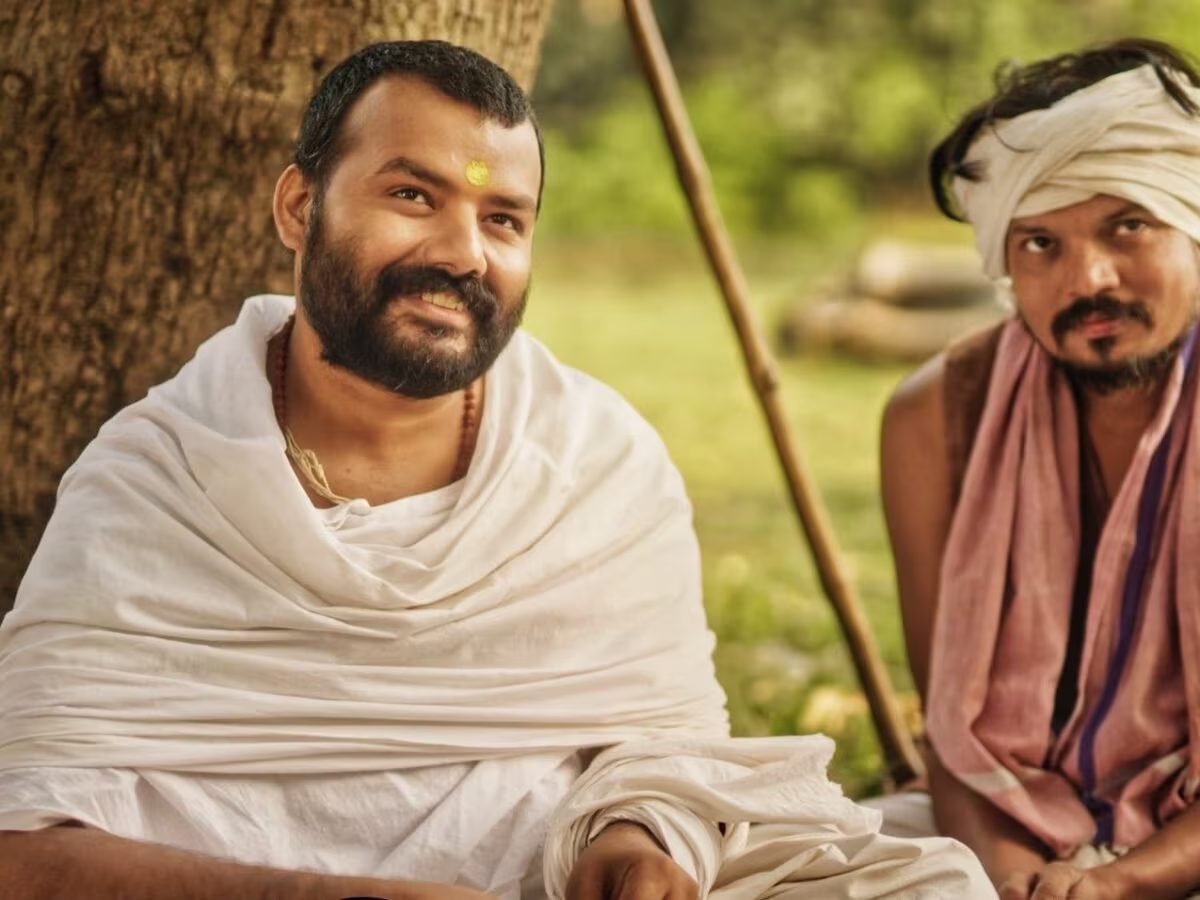
Made on a shoestring budget of under Rs 2 crore, Hanuman Ansh has quietly turned into one of the year’s biggest box-office surprises, crossing Rs 100 crore in just 30 days. What makes the film’s journey even more remarkable is where the idea came from — not from Bollywood, but from a chance discovery about Steve Jobs’ spiritual journey to India nearly five decades ago.
The film, based on the life of Neem Karoli Baba, earned only Rs 12 crore in its first 20 days and was written off by much of the industry as a flop. Then something shifted. Word of mouth took over, and in the next 10 days alone, the film added another Rs 88 crore, pushing its total past the Rs 100 crore mark. Behind this unlikely success is 21-year-old producer Anupriya Nagar, who says she had never planned to make a film — until she came across the story of Steve Jobs’ India visit.
Who Is Anupriya Nagar And What Inspired Her?
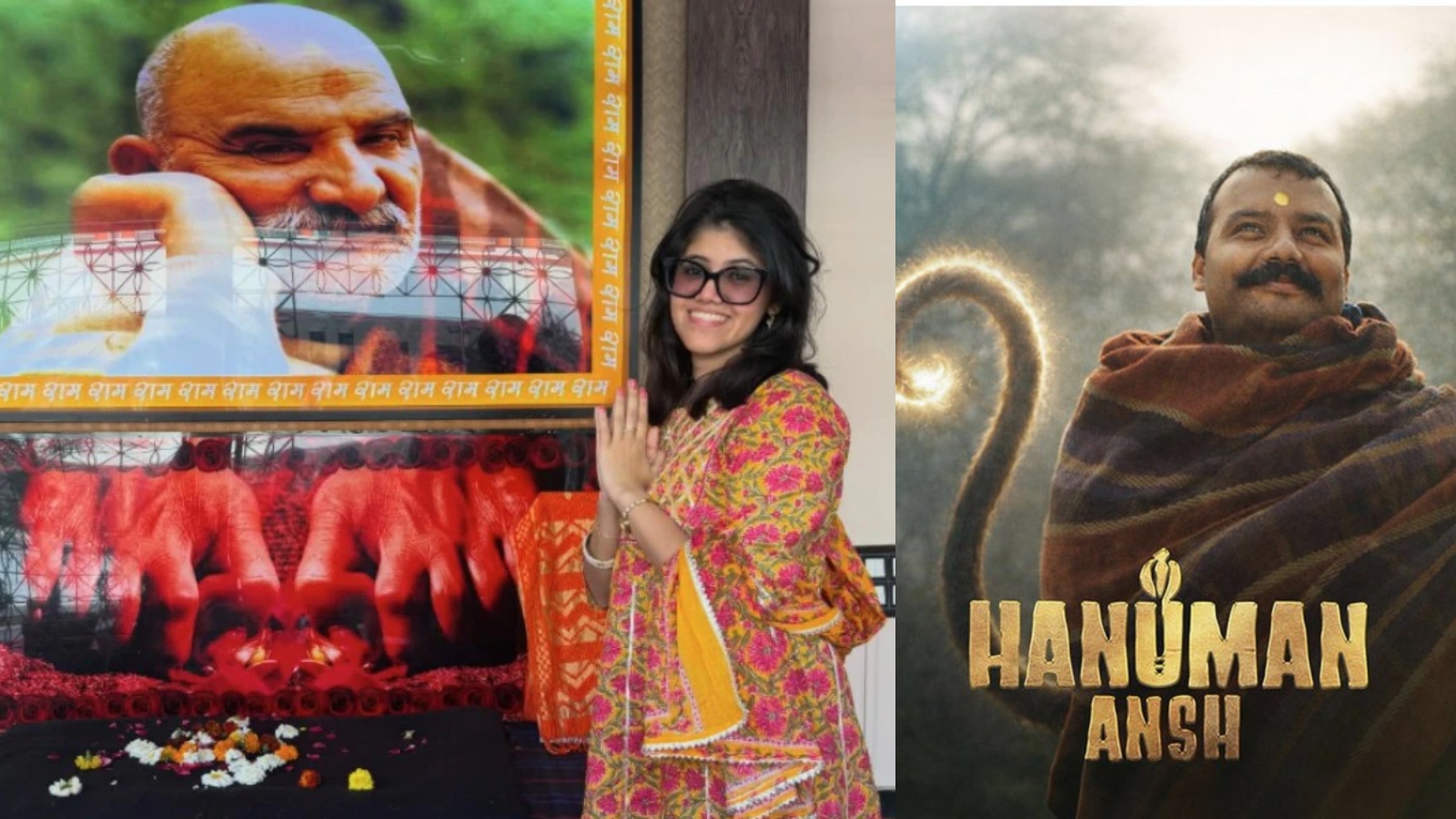
In several interviews, Anupriya Nagar has explained how she stumbled onto the idea for Hanuman Ansh. While researching for a university assignment on the founders of major technology companies, she read that Steve Jobs had been deeply influenced by an Indian saint — Neem Karoli Baba, also known as Maharaj-ji.
What struck her most was that she was learning about an Indian spiritual figure through a foreign article, not through anything closer to home. That realisation pushed her to dig deeper, and the research eventually turned into the idea for a film. She has said she took on a real financial and creative risk with the project, with no intention of chasing a big box-office payday.
What Is Steve Jobs’ Connection To Neem Karoli Baba?
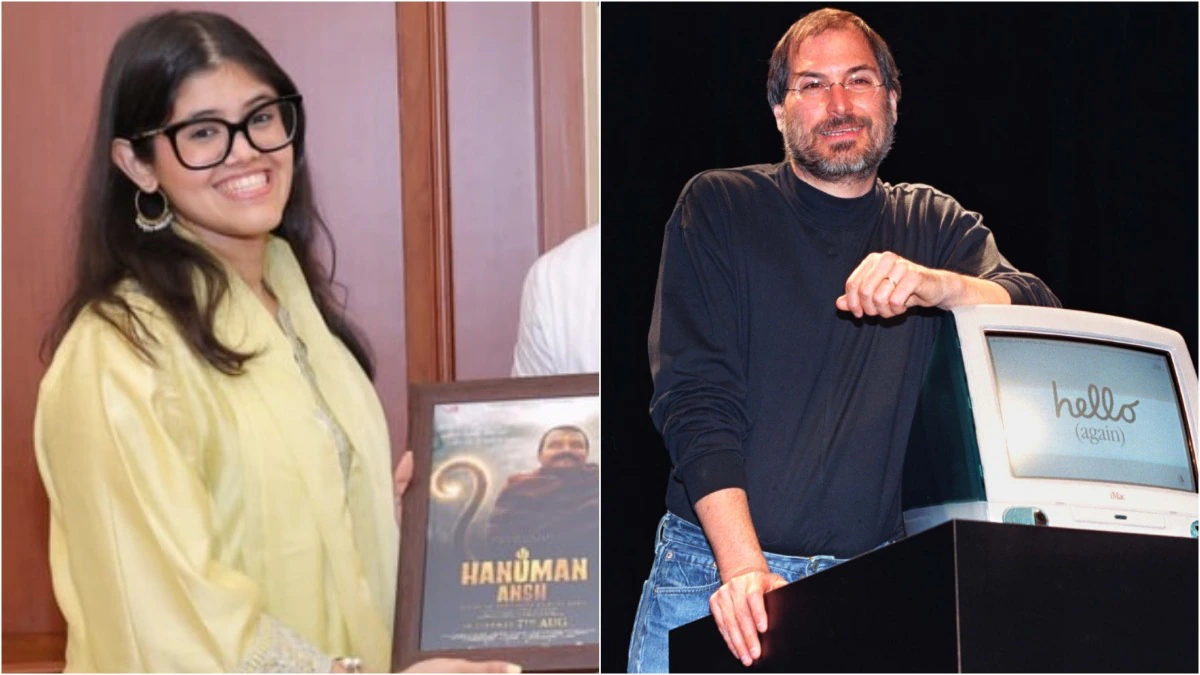
In 1974, Steve Jobs took his first job at the video game company Atari. That same year, seeking spiritual clarity and a deeper sense of purpose, he travelled to India with his college friend Dan Kottke. According to Walter Isaacson, who wrote Jobs’ authorised biography, Jobs had long been drawn toward Eastern philosophy in his search for meaning, and India became the most significant stop on that inward journey.
Jobs travelled to India specifically hoping to meet Neem Karoli Baba, a guru revered by his followers as Maharaj-ji and known as a devoted follower of Lord Hanuman. Jobs and Kottke had both read Ram Dass’s influential spiritual book “Be Here Now,” which was drawing young Americans of that era toward Eastern spirituality. It was this book that led the two friends toward Neem Karoli Baba’s ashram at Kainchi Dham, tucked in the Kumaon hills of present-day Uttarakhand.
What Happened When Jobs Reached India?
When Steve Jobs and Dan Kottke arrived at the Kainchi ashram in 1974, they discovered that Neem Karoli Baba had already passed away on September 11, 1973. With the guru gone, the ashram was largely empty and quiet. Unable to meet him, the two trekked on foot along a dry riverbed to reach the ashram of Haidakhan Babaji instead.
Jobs went on to spend nearly seven months travelling across India. According to his biography, he often walked barefoot with very little money, staying in temples, dharamshalas and with local families in villages. His travels also took him to sacred sites across northern India, including Haridwar, Nainital and Manali.
How Did The India Trip Shape Apple’s Design Philosophy?
Spending time among rural communities in India changed how Jobs thought about intuition versus intellect. He came to believe that people in Indian villages relied far less on pure analytical thinking and far more on instinct and intuition than people in the West typically did.
During this period, Paramahansa Yogananda’s “Autobiography of a Yogi” became one of his most important companions. Jobs had first read it as a teenager, revisited it during his India trip, and reportedly reread it once every year for the rest of his life.
Even though he never got to meet Neem Karoli Baba, the time Jobs spent at Kainchi Dham and the simplicity he encountered in India left a lasting mark on him. He later became deeply drawn to Zen Buddhist ideas, particularly the belief that simplicity represents the highest form of sophistication. That single idea would go on to shape Apple’s minimalist design philosophy — the clean, stripped-back aesthetic that defined its products for decades.
By the time Jobs returned to the United States, associates described him as physically thin and worn out, but carrying a much sharper sense of intuition. He would later credit this period in India with permanently changing how he thought about simplicity and design.

Frequently Asked Questions
Q1. What is the box-office performance of Hanuman Ansh, and what was its budget?
Hanuman Ansh was made on a limited budget of under Rs 2 crore. It earned only Rs 12 crore in its first 20 days but added Rs 88 crore in the next 10 days through strong word of mouth, crossing Rs 100 crore within 30 days of release.
Q2. How did 21-year-old producer Anupriya Nagar get the idea for the film?
While researching technology founders during her final year at university, Anupriya Nagar learned that Steve Jobs had been influenced by Neem Karoli Baba and had conceived the idea for the world’s first colour computer at Kainchi Dham. Discovering this story through a foreign article inspired her to research further and eventually produce the film.
Q3. Why did Steve Jobs travel to India and Kainchi Dham in 1974?
Steve Jobs travelled to India with his friend Dan Kottke in search of spiritual clarity and enlightenment. After reading Ram Dass’s book “Be Here Now,” they went to Kainchi Dham to meet Neem Karoli Baba, a devoted follower of Lord Hanuman — only to learn that the saint had passed away on September 11, 1973.
Q4. What impact did the India trip and Kainchi Dham have on Apple’s design?
Jobs came away believing that Indian villagers relied on intuition far more than Western analytical thinking. Paramahansa Yogananda’s “Autobiography of a Yogi” and Zen Buddhist ideas about simplicity deeply influenced him, later becoming the foundation of Apple’s minimalist product design philosophy.
Q5. What will the producer do with the earnings from Hanuman Ansh?
Producer Anupriya Nagar has said she plans to use the profits from the film to support underprivileged children and contribute to various social and charitable causes.
Conclusion
The story of Hanuman Ansh is, in many ways, a story about how one journey inspired another. Steve Jobs’ 1974 trip to India in search of Neem Karoli Baba shaped his thinking about simplicity long before Apple existed — and decades later, that same story pulled a 21-year-old economics student into filmmaking for the first time. With word of mouth continuing to drive audiences to theatres, Hanuman Ansh has become proof that a deeply personal, low-budget project can still find an unexpectedly massive audience.
Stay connected with Soochnatantra for such latest news from the entertainment world.