

‘Jana Neta’ Release Dispute Takes a Turn, Makers Agree to CBFC Review Process
A new turn has emerged in Thalapathy Vijay’s film ‘Jana Neta’ certification dispute. After Madras High Court approval, the makers withdrew their case against CBFC.
Change of Stand in Court, Permission Granted to Withdraw Case
The legal dispute surrounding the release of Thalapathy Vijay’s much-anticipated film Jana Neta reached a crucial turning point on Tuesday. The Madras High Court granted permission to the film’s producer, KVN Productions, to withdraw its petition filed against the Central Board of Film Certification (CBFC). Justice P.T. Asha of the single bench passed the order after the production house informed the court that it was willing to proceed through the CBFC’s revising committee process.

Makers Return to Revising Committee Route
Appearing before the court, counsel for the production company clarified that the decision to resubmit the film to the revising committee had been taken on Monday itself. Following this, a formal letter was sent to the High Court registry expressing the intent to withdraw the case. The matter was listed on Tuesday under the category of “withdrawal,” and the court granted its approval. With this, expectations have risen that the certification process for the film may now move forward.
Planned January 9 Release Triggered the Dispute
Jana Neta was originally scheduled for theatrical release on January 9, 2026. The film carries added significance as it is being described as Vijay’s last film before his formal entry into politics. However, delays in obtaining the CBFC certificate led to the release being stalled. Citing this delay, KVN Productions approached the court, alleging unnecessary procedural hurdles on the part of the certification body.
Why the Certificate Remained Stalled Despite 27 Cuts
According to the production house, an application for certification was submitted on December 18. The CBFC’s examining committee suggested 27 cuts and modifications, all of which were duly implemented. The makers claim that after these changes, the board had indicated that the film would receive a ‘UA’ certificate. Despite this assurance, the certificate was not issued, and the film was subsequently referred to the revising committee, raising questions from the producers.
CBFC’s Stand and Basis of Objections
The CBFC told the court that the film was sent to the revising committee after a complaint was received from one of the examining committee members. The complaint raised objections to certain scenes, stating that they could potentially hurt religious sentiments and depict the armed forces in an inappropriate manner. The board maintained that these concerns warranted further review, necessitating the revising committee’s intervention.

Single Bench vs Division Bench: Legal Back-and-Forth
Earlier, on January 9, a single-judge bench of the Madras High Court had directed the CBFC to certify the film. The board, however, challenged the order before a division bench on the same day, which stayed the single bench’s directive. The division bench observed that the CBFC had not been given adequate opportunity to present its case. The matter was eventually sent back to the single judge, but by then, the legal process had become increasingly complicated.
No Relief from the Supreme Court
KVN Productions later approached the Supreme Court seeking intervention. The apex court, however, declined to interfere and advised the producers to pursue the matter before the High Court. Following this, the production house revised its strategy and decided to move ahead within the CBFC’s internal review framework.
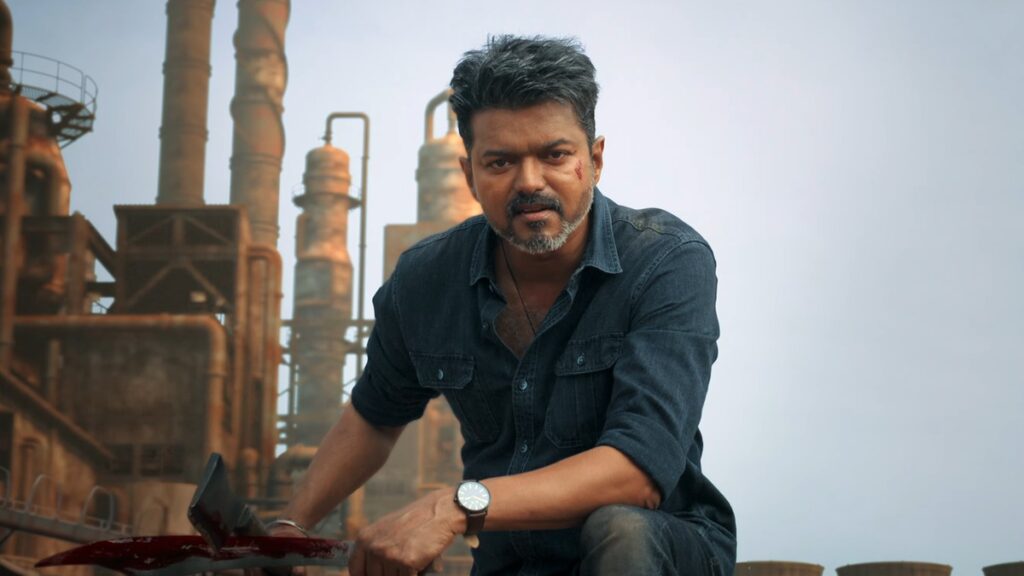
KVN Productions told the court:
“We have decided to proceed with the review process and, therefore, are withdrawing the petition.”
Meanwhile, actor Thalapathy Vijay said in an interview:
“I feel bad for the producer because the film is not getting released. Given my entry into politics, I had anticipated that films might be targeted.”
Within the film industry, this development is being seen as a shift from confrontation to cooperation. Trade analysts in the Tamil film sector say that if the revising committee completes its process within a reasonable timeframe, Jana Neta could reach theatres soon. The prolonged delay has already caused losses to distributors and theatre owners who were banking on the high-profile release.
With the Madras High Court allowing the withdrawal of the case, the long-standing deadlock over Jana Neta appears to be easing. All eyes are now on the CBFC’s revising committee. A favourable decision could finally clear the path for the film’s release and bring the controversy to a close.
Stay connected with Soochnatantra for such latest news from the entertainment world.
