
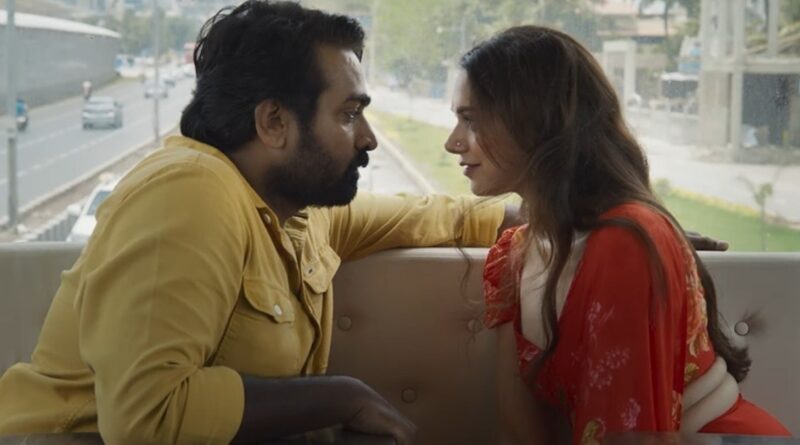
Gandhi Talks Review: When Silence Exposes the Clash Between Man and System
Returning to the era of silent cinema, Gandhi Talks uses silence to reflect corruption, unemployment and humanity, with Vijay Sethupathi delivering a striking performance.
A bold silent-film experiment, Mumbai becomes a character
In an age dominated by fast reels and constant noise, films that rely purely on visual storytelling are rare. Director Kishor Pandurang Belkar takes that risk with Gandhi Talks, a dialogue-free film rooted in Mumbai’s chawl culture. Without spoken words, the film portrays the frustration, anger and moral conflict of the common man, using camera movement, background score and body language as its primary narrative tools.
Mahadev’s story mirrors urban India
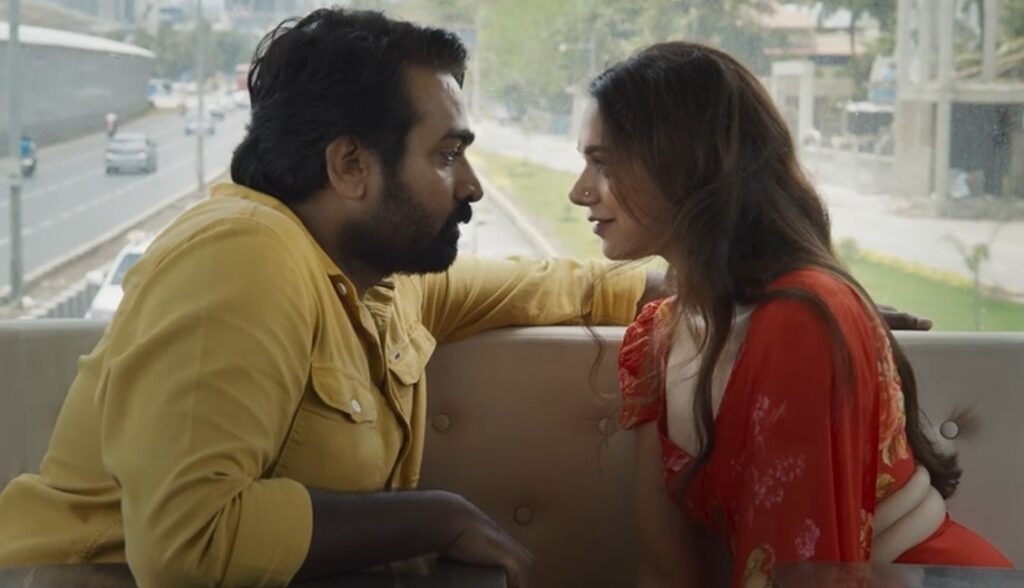
At the heart of the film is Mahadev (Vijay Sethupathi), a chawl resident crushed under unemployment, poverty and the responsibility of caring for his ailing mother. Despite being educated, his repeated visits to the BMC office make one reality painfully clear—without bribes, the system does not move. These scenes, devoid of dialogue, quietly underline a truth familiar to thousands of urban youth across India.
Love tested by reality
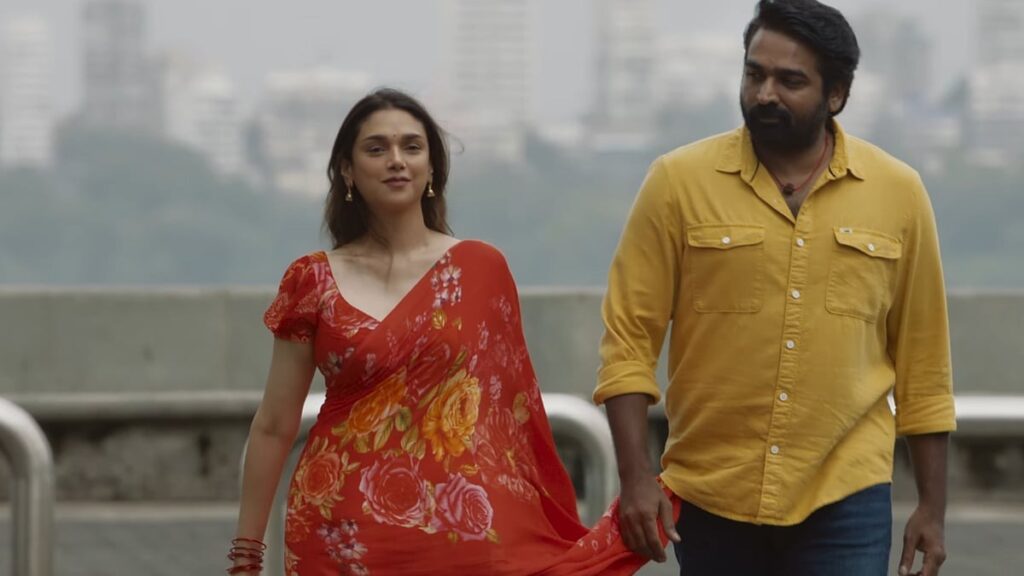
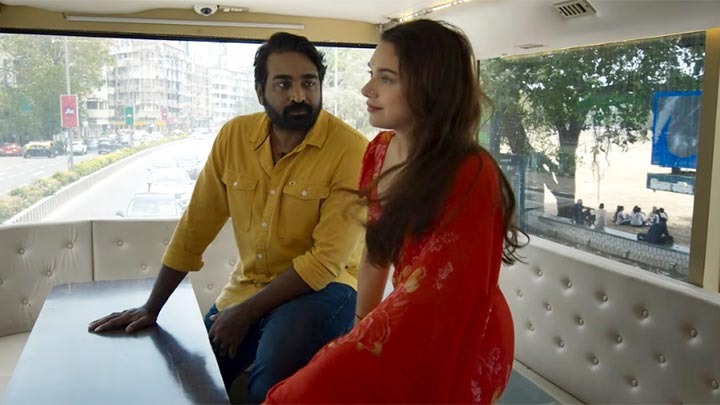
Mahadev finds emotional relief in Gayatri (Aditi Rao Hydari), who lives across the lane. Their relationship is understated, gentle and deeply human. However, unemployment emerges not just as an economic crisis but as an emotional barrier, questioning whether love alone can survive rigid social and financial realities.
Bosman: power without peace
Running parallel is the story of wealthy industrialist Bosman (Arvind Swamy), who has lost his family in a plane crash and now faces business collapse. Despite wealth and influence, his loneliness and psychological breakdown are evident. The film places extreme poverty and extreme privilege face to face, showing how suffering cuts across class lines in different forms.
Gandhi as a symbol, system under scrutiny
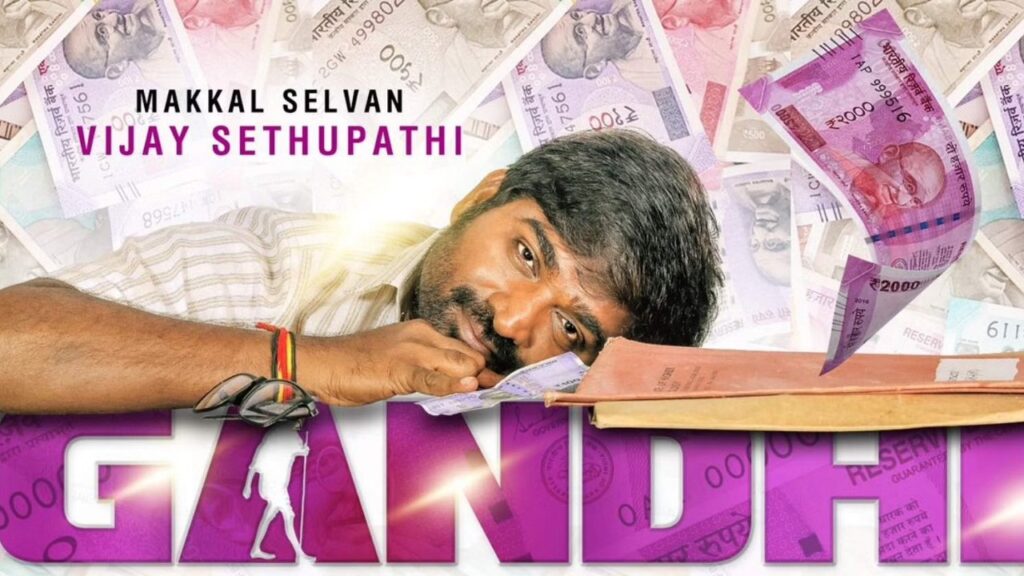
One of the film’s strongest visual motifs is Mahatma Gandhi’s image on Indian currency. Belkar subtly suggests that while Gandhi’s face is printed on notes, his ideals are routinely ignored. Corruption, unemployment and moral decay are presented without speeches or slogans, making the critique more powerful through restraint.
Second half shifts to dark comedy
The film’s second half takes a lighter, darkly comic turn. The prolonged hide-and-seek sequence inside Bosman’s house may test patience, but this is where A.R. Rahman’s background score breathes life into the narrative. In a silent film, music becomes the language—and Rahman ensures the emotion never fades.
Performances and technical strengths
Vijay Sethupathi proves once again why he is considered one of the most expressive actors of his generation, conveying vulnerability and desperation purely through expressions. Arvind Swamy delivers a controlled yet impactful performance as a broken businessman. Aditi Rao Hydari brings quiet grace to her role. Karan B. Rawat’s cinematography captures Mumbai’s chawls and cityscape with an authenticity that strengthens the film’s mood.
A senior film critic noted,
“Gandhi Talks arrives at a time when cinema is growing louder. This film asks its questions in silence and leaves the audience thinking long after it ends.”
Gandhi Talks may not cater to every viewer, but for those who see cinema as an experience rather than mere entertainment, it stands out as an honest and courageous attempt. The film reminds us that sometimes the strongest statements are made without words, offering a reflective look at the relationship between individuals, the system and moral choice.
Stay connected with Soochnatantra for such latest news from the entertainment world.
